Location
Restored Qing Dynasty courtyard in central Chengdu. A peaceful, authentic setting surrounded by bamboo gardens and traditional architecture.
Study the Analects, practice calligraphy, master the tea ceremony.
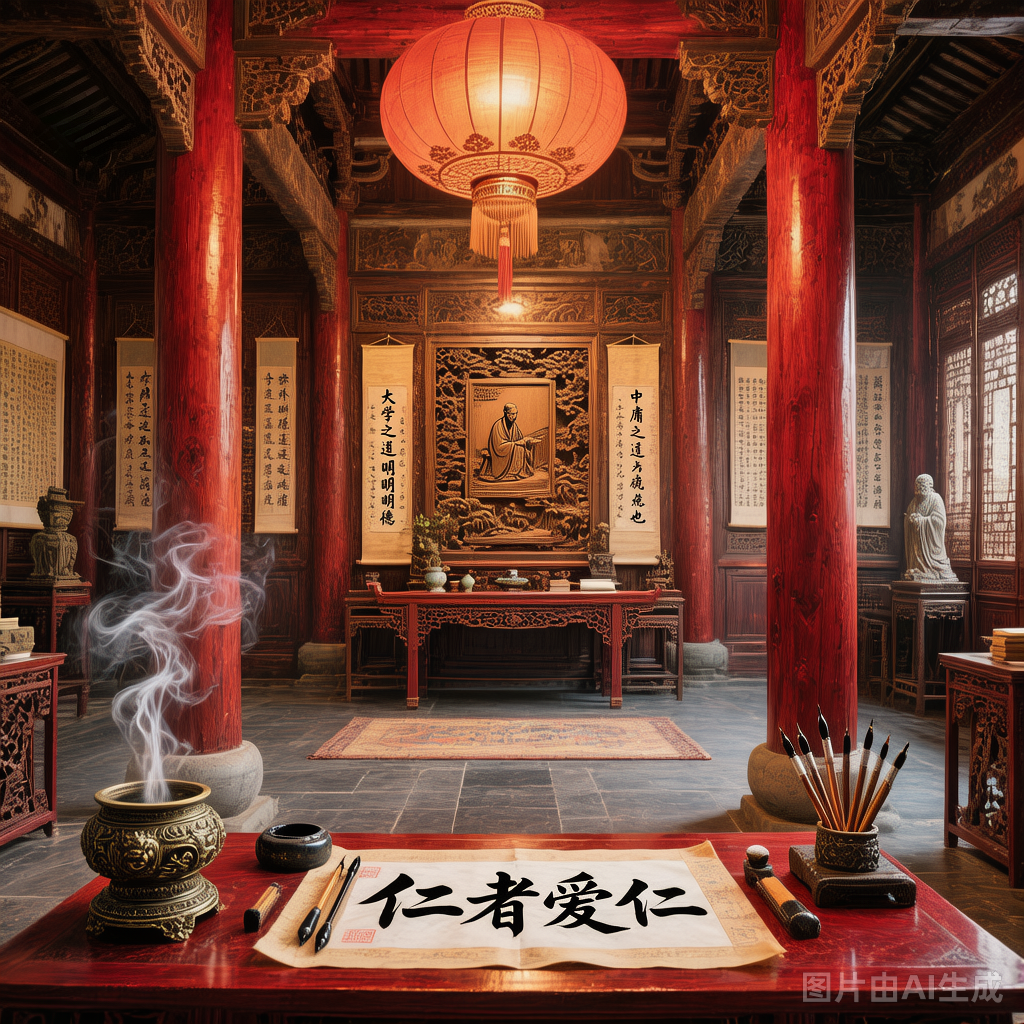
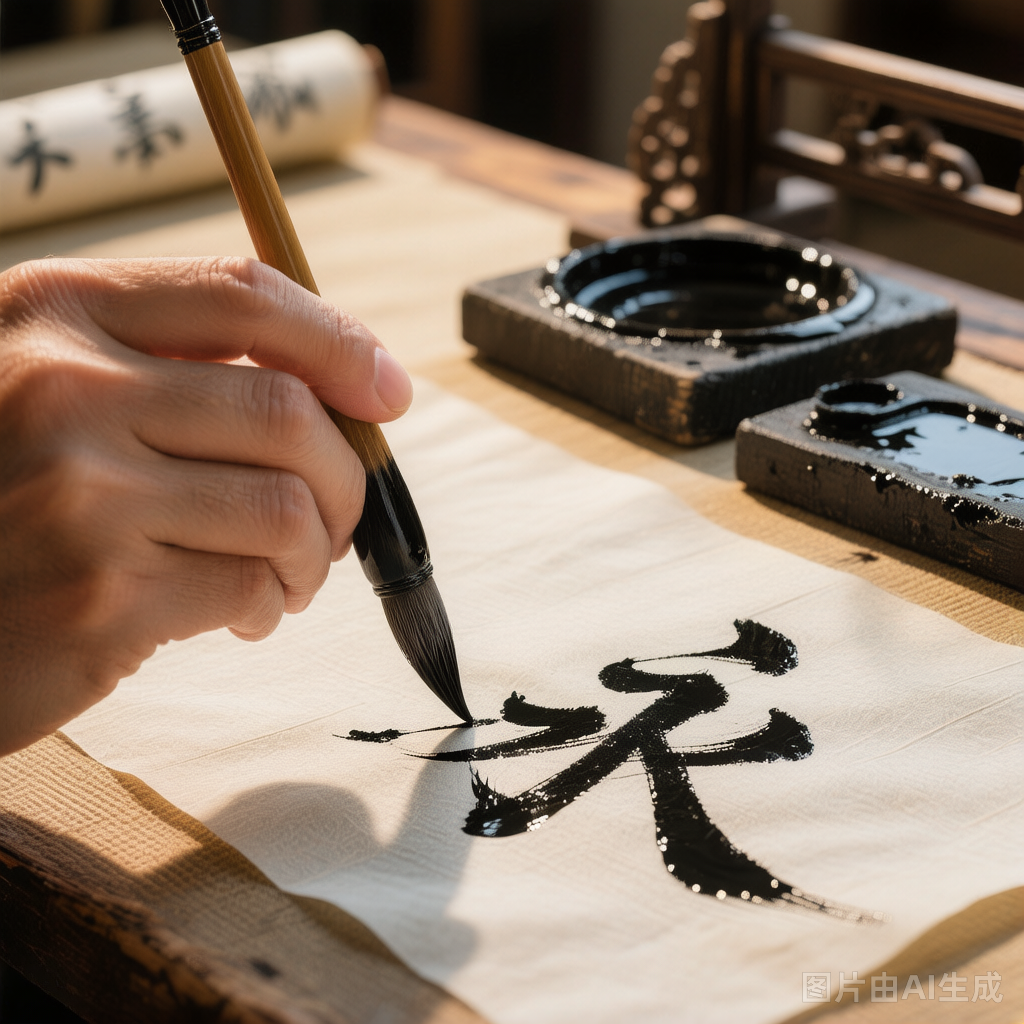
Confucianism is not a religion — it is a philosophy of how to live well among others. For over two thousand years, it has shaped Chinese family life, government, education, and personal ethics more deeply than any other system of thought.
In this two-day course, you study directly with a Confucian scholar in a traditional Chengdu courtyard. You read passages from the Analects, debate their modern relevance, practice the meditative art of Chinese calligraphy, and participate in a formal tea ceremony that embodies the Confucian ideal of refined human interaction.
From the written word to the poured cup, every practice teaches the same principle: the cultivation of the self through mindful relation to others.
Read and discuss key passages from the Analects (论语) with a Confucian scholar. Understand the original Chinese and its layered meanings.
The foundation of Confucian social ethics. Understand the five key relationships that organize Chinese moral thinking — and how they apply to your own life.
The tea ceremony is Confucianism made physical. Every gesture — from warming the cup to the order of serving — embodies respect, consideration, and mindfulness.
Calligraphy is meditation through the brush. Under your scholar's guidance, learn to write core Confucian virtues in traditional kaishu script.
Confucius taught that a well-ordered society begins with well-ordered relationships. Each of the Five Relationships carries mutual obligations — not one-way obedience, as commonly misunderstood, but a two-way bond of duty and care.
Loyalty flows upward; benevolent governance flows downward. The ruler who does not care for the people loses the mandate of heaven.
The father must nurture and guide; the son must honor and provide. This is not blind obedience — it is mutual devotion across generations.
Partnership built on mutual respect, distinct responsibilities, and shared purpose. The family is the smallest unit of a harmonious society.
Seniority carries the duty of mentorship; youth carries the duty of learning. Between siblings, the elder gives; the younger respects.
The only truly equal relationship. Built on trust (信), honesty, and the courage to tell your friend what they need to hear, not what they want to hear.
The two pillars that hold all five relationships together: Ren (仁) is the heart; Li (礼) is the form. One without the other is incomplete.
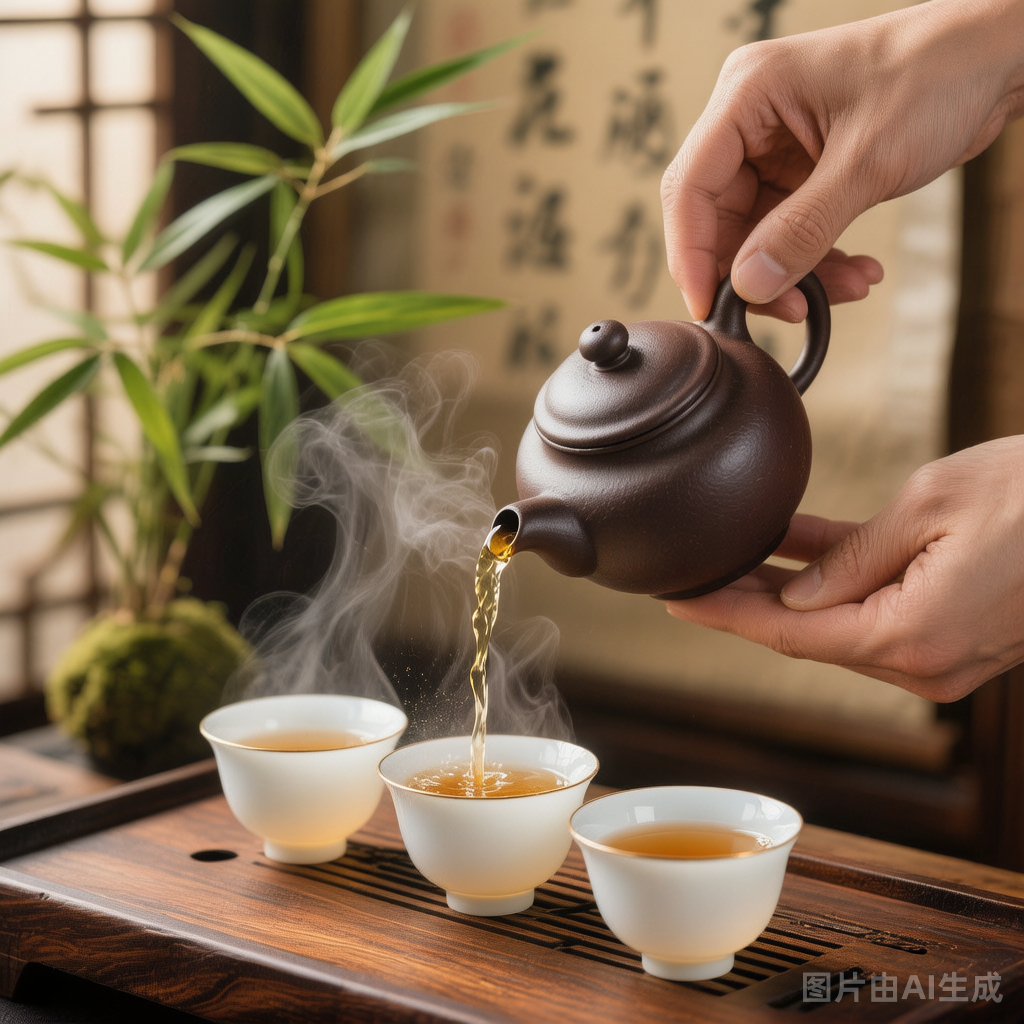
Learn the precise, meditative ritual of Gongfu tea — from warming the Yixing pot to the final aromatic pour. Each step is a practice in mindfulness and respect.
Grind the ink, hold the brush, breathe — then write. Calligraphy is Confucian self-cultivation made visible. Your best piece goes home with you.
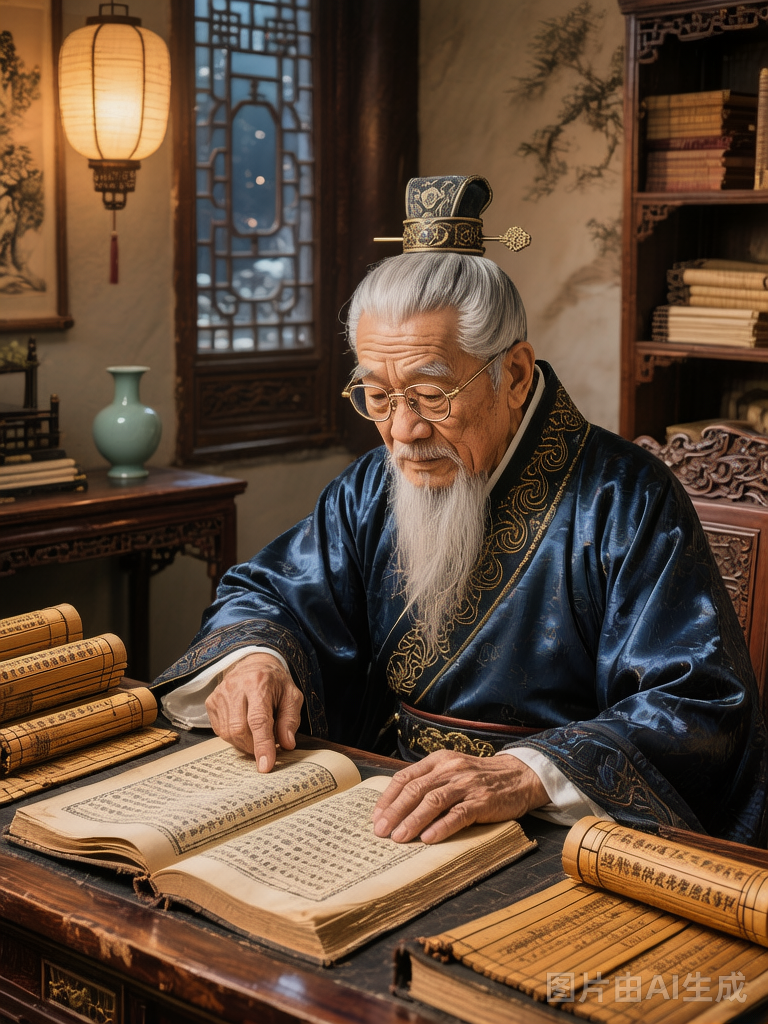
"To learn without thinking is labor lost. To think without learning is perilous. This is what I teach."
Scholar Zengming comes from a family of Confucian teachers stretching back twelve generations. He holds a doctorate in Classical Chinese Philosophy from Sichuan University and has spent two decades making the ancient texts accessible to modern readers — both Chinese and international.
His teaching style is warm but rigorous. He does not lecture — he dialogues. He asks you what you think Confucius meant, then gently shows you what the text actually says. It is an experience of genuine intellectual discovery.
All sessions with Scholar Zengming are conducted through our bilingual cultural interpreter, with direct conversation strongly encouraged.
You will read real passages from the Analects in the original Chinese (with full English translation and commentary). This is not a summary — it is a genuine engagement with the text.
You will prepare and serve tea yourself. This is not a demonstration — it is a practice. Be ready to handle hot water, delicate cups, and precise timing.
No prior skill needed. You will learn from scratch — how to hold the brush, grind ink, and write core virtue characters. The process matters more than the result.
Every session includes open Q&A. Challenge the ideas. Disagree. Confucius himself welcomed debate — "A gentleman seeks harmony, not uniformity."
The course takes place in a restored Qing Dynasty courtyard in Chengdu. Wooden lattice windows, stone paths, bamboo gardens — the environment is the curriculum.
On completion, you receive a bilingual certificate hand-stamped with the scholar's personal seal. Plus your calligraphy piece to keep.
Restored Qing Dynasty courtyard in central Chengdu. A peaceful, authentic setting surrounded by bamboo gardens and traditional architecture.
¥2,000 RMB fixed rate, billed as part of your actual expenses. Included in all 10 & 15-day packages; available as an add-on in the 7-day package.
Comfortable clothing that allows sitting on traditional chairs. Avoid overly casual beachwear. A quiet, respectful demeanor is appreciated.
Full transfer from your Chengdu hotel to the courtyard venue and back, included in your overall trip cost.
You are welcome to take photos during breaks. During reading and practice sessions, we ask you to keep devices away — full presence matters.
All sessions interpreted live into English by your dedicated bilingual cultural guide. Original Chinese texts are provided alongside full translations.
A traditional Sichuan lunch is included both days, served in the courtyard. Dietary requirements can be accommodated with advance notice.
Confucianism course is included in the 10-day and 15-day journey packages. Available as an add-on for the 7-day package.
Two thousand years of wisdom are waiting. So is a version of you that is more thoughtful, more grounded, more human.
Book Your Journey View Full Itinerary