Location
Northern Chengdu, 15km from city centre. 30 minutes by car. Inner China provides private transfer.
Meet China's most beloved animal — the giant panda — in its ancestral home
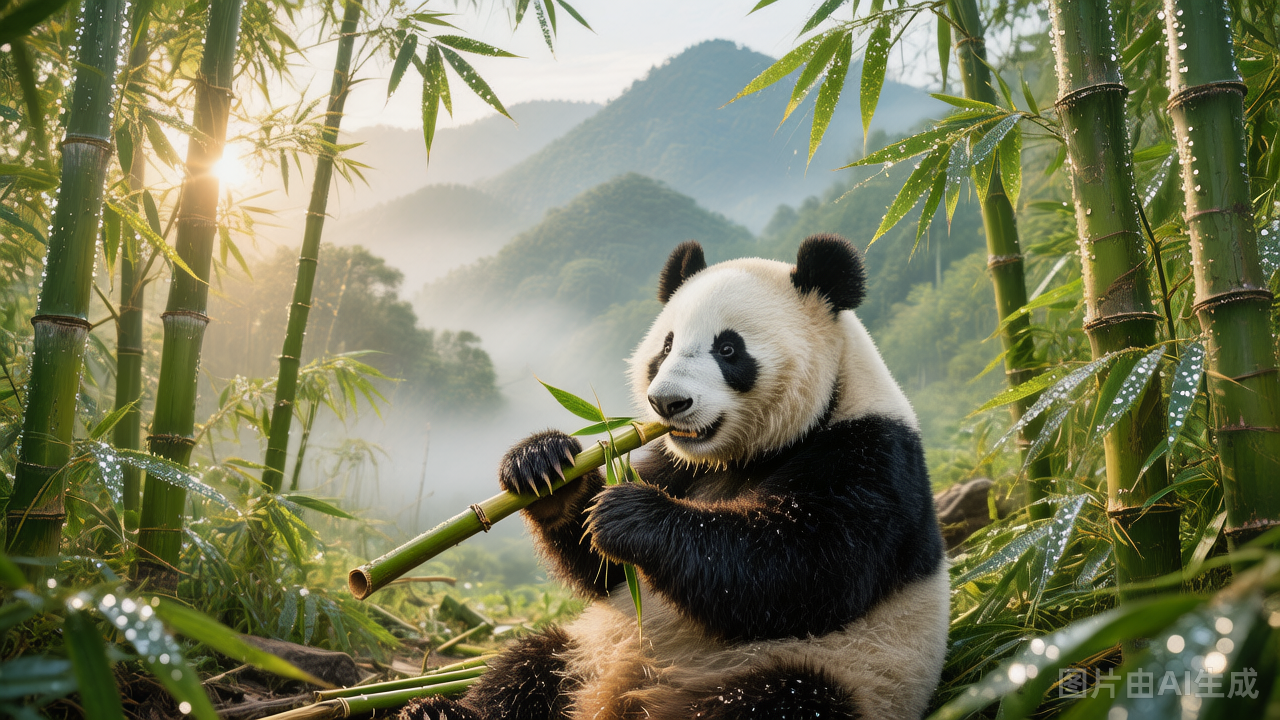

The Chengdu Research Base of Giant Panda Breeding (成都大熊猫繁育研究基地) is the world's leading panda conservation centre. Founded in 1987 with just six rescued pandas, it has since become home to over 200 giant pandas — the largest captive population on Earth.
Set in 92 acres of bamboo forest and模拟natural habitat on the outskirts of Chengdu, the base allows visitors to observe pandas at every stage of life — from pink, squirming newborns in the nursery to lumbering adults munching 20 kg of bamboo daily. The morning feeding time (8:00–10:00 AM) is when the pandas are most active and the photography is best.
See newborn cubs in incubators and toddlers learning to walk. The nursery visit is strictly timed and limited — and utterly heart-melting.
Watch adult pandas tear through 20 kg of fresh bamboo each morning. The speed, the technique, the satisfaction — it's mesmerising.
The base is designed as模拟wild habitat — not cages. Pandas roam forested enclosures with streams, climbing structures, and shade trees.
A 30-minute documentary about the base's conservation work — from rescue to release. Understanding the mission makes the visit deeper.
The base also houses red pandas (小熊猫), which roam freely in an open enclosure. Smaller, faster, and equally photogenic.
Arrive at 7:30 AM when pandas are most active and the light is perfect. By noon, they're sleeping — pandas nap up to 14 hours daily.
The base was founded with six sick and starving pandas rescued from the wild. No one expected it to become the world's most successful breeding programme.
Giant pandas are notoriously difficult to breed in captivity. The base pioneered techniques in artificial insemination, nutrition, and cub care that changed everything.
The Wenchuan earthquake devastated wild panda habitat. The base became a refuge, and conservation urgency intensified. Public awareness surged worldwide.
In 2016, the giant panda was reclassified from "Endangered" to "Vulnerable" — a direct result of China's breeding programmes. The base has produced over 200 cubs.
Northern Chengdu, 15km from city centre. 30 minutes by car. Inner China provides private transfer.
¥55 RMB (approx. $8 USD). Included in all Inner China programmes. Discounted tickets for children under 6.
7:30 AM – 6:00 PM (summer until 7:00 PM). Nursery hours may vary. Open year-round.
No flash photography. No feeding. No loud noises. Respect the pandas — they are not performers, they are residents.
Paved walkways throughout. Electric cart available for mobility-impaired visitors. Wheelchair-friendly routes.
Spring and autumn are ideal — mild weather means active pandas. Summer is hot; winter can be foggy but atmospheric.
The Chengdu Panda Base is included in every Inner China journey. Wake up early, walk through bamboo forest, and lock eyes with a giant panda. Some moments don't need words.
Enquire NowQingcheng Mountain →