Location
Dujiangyan City, Chengdu, Sichuan Province. 60km northwest of Chengdu city centre.
Where Taoism was born — and still breathes
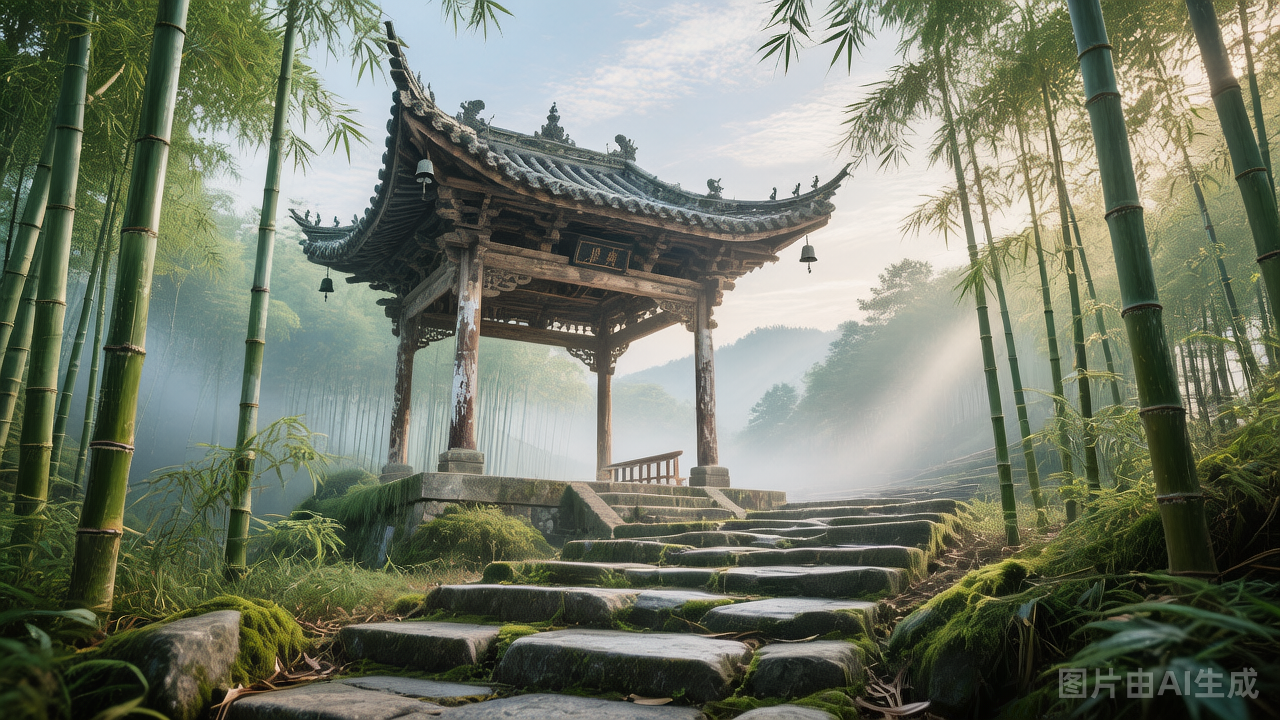
Rising from the Chengdu Plain, Qingcheng Mountain (青城山) is where Zhang Daoling founded organized Taoism in 142 CE. For nearly two millennia, masters and hermits have retreated into its misty forests to study, practice, and transmit the Way.
Today it is the most authentically preserved Taoist sacred mountain in China. Thirty-six temples cling to its forested slopes. Resident Taoist priests still follow daily rituals unchanged for centuries. The mountain does not perform for visitors — it simply is.
Unlike museum-piece temples elsewhere, Qingcheng's priests still live, practice and teach here full-time. You may encounter a real hermit on a forest path — and he might stop to talk.
AUTHENTICTianshi Cave (天师洞), Jianfu Palace (建福宫), Shangqing Palace (上清宫) — each a masterpiece of Taoist architecture built into the mountain's natural contours over the past 1,500 years.
HERITAGEOld-growth forest covers the mountain in silence broken only by wind and birdsong. Ancient pines are said to be inhabited by spirit. Even sceptics speak quietly here.
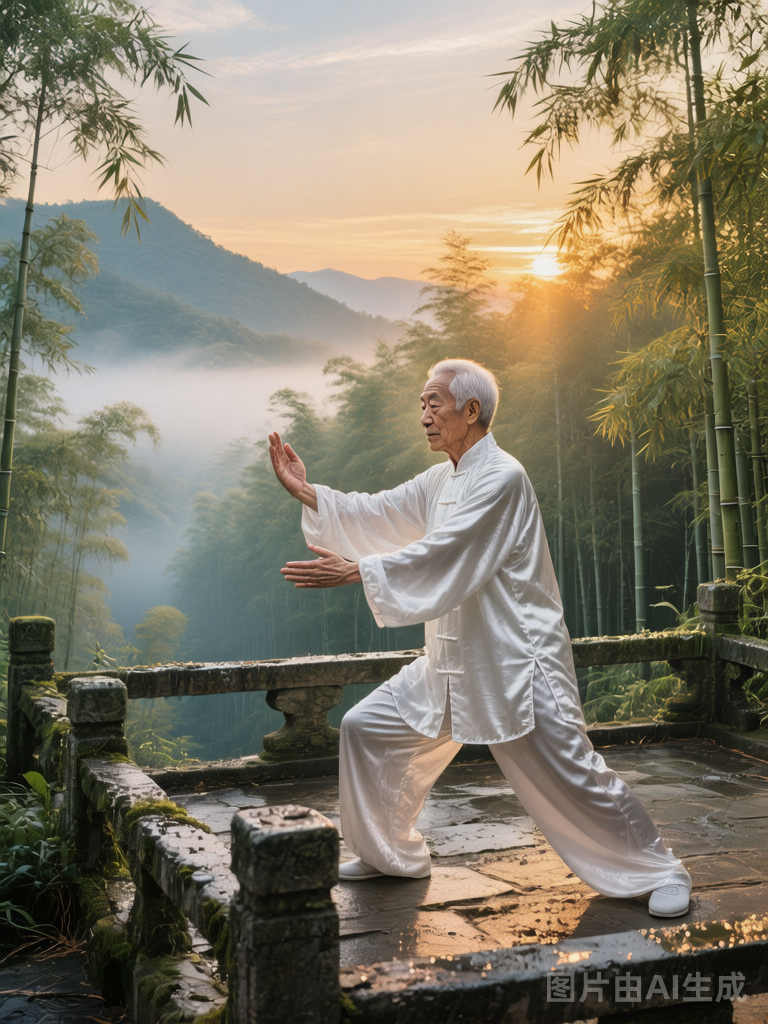
NATUREArrive before dawn and join resident priests for Tai Chi on the Tianshi Cave terrace as mist fills the valley below. This is why people travel across the world to Sichuan.
EXPERIENCELunch at a temple kitchen: hand-picked mountain herbs, slow-cooked grains, wild mushroom soup. Taoist chefs say the food heals because the ingredients are gathered with gratitude.
CULTUREThrough Inner China's introductions, select guests may sit with a senior Taoist priest for a private conversation — your questions, his answers, the forest as witness.
EXCLUSIVEEach temple on Qingcheng is a world unto itself — different in age, deity, ritual, and atmosphere. Below are the four you will visit on a Inner China programme.
The first major temple encountered on the front mountain path. Built in the Tang Dynasty (9th century CE), its quiet courtyards host daily morning rituals. The resident priests here are known for their openness to respectful visitors.
The spiritual heart of Qingcheng. This cave complex was where Zhang Daoling himself is said to have achieved enlightenment. The main hall's carved murals depict the founding myths of Taoism in vivid stone.
Perched at the mountain's mid-point, this small pavilion is known for its "cloud sea" view at dawn — the valley below fills with mist while you stand above it in clear morning sun. A defining moment of the Inner China visit.
Near the summit, this is the most atmospheric temple on the mountain — ancient, minimal, and almost always wreathed in cloud. Resident masters here practice the inner cultivation (内丹) tradition of Taoism's highest teachings.
Inner China programmes include a guided full-day Qingcheng Mountain visit within the broader Sichuan journey. Here is what a typical day looks like.
Dujiangyan City, Chengdu, Sichuan Province. 60km northwest of Chengdu city centre.
Inner China provides private transfer from your Chengdu accommodation. Journey approx. 75 minutes each way.
Front mountain: ¥90 RMB. Included in all Inner China programmes. Cable car: additional ¥60.
Autumn (Sep–Nov) for clear skies and dramatic foliage. Spring for cherry blossom and abundant mist. Avoid Golden Week national holidays.
Moderate. The main path to Tianshi Cave involves approx. 1,200 stone steps over 3km. Good footwear essential.
Sichuan climate — expect mist and rain possible year-round. A light rain jacket enhances the atmosphere rather than ruining it.
Qingcheng Mountain is included in all Inner China 7-day and 15-day programmes. Our local guides have accompanied visitors here for years — they know which priest to approach, which path to take, and when to simply be quiet.
Enquire Now Taoism Programme →