Location
Qingyang District, central Chengdu. A 15-minute drive or 30-minute walk from Tianfu Square (city centre).
The living soul of Chengdu — Qing Dynasty lanes, teahouses and tradition
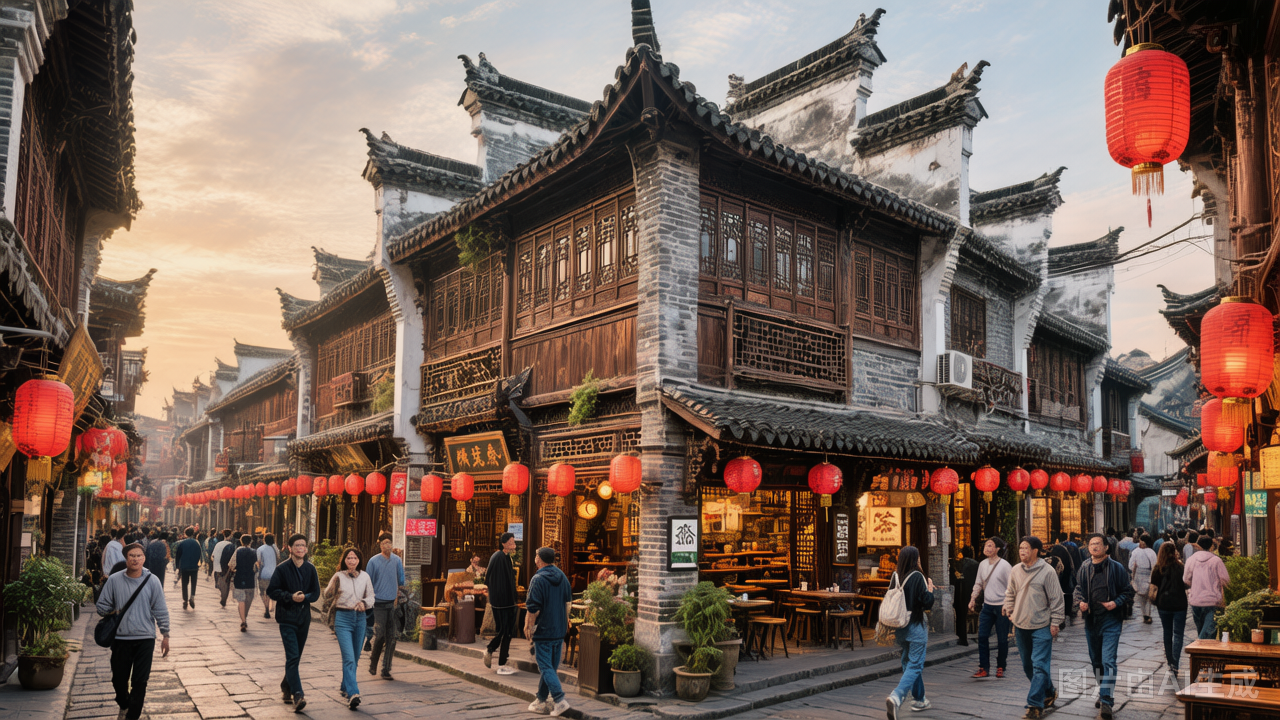
Kuanzhai Alley (宽窄巷子) is a complex of three parallel Qing Dynasty lanes — Wide Alley (宽巷子), Narrow Alley (窄巷子), and Well Lane (井巷子) — located in the heart of Chengdu, preserved from the 18th century.
This is not a heritage museum. It is a living neighbourhood where teahouses have been operating for generations, where street performers appear without announcement, where Sichuan opera face-changers perform in inner courtyards, and where the unhurried pace of Chengdu life is still genuinely felt. For Inner China guests, it is the anchor experience of understanding what Chengdu actually is — as distinct from what China appears to be.
The three alleys run parallel, each with a distinct mood. Together they form a complete portrait of old Chengdu culture.
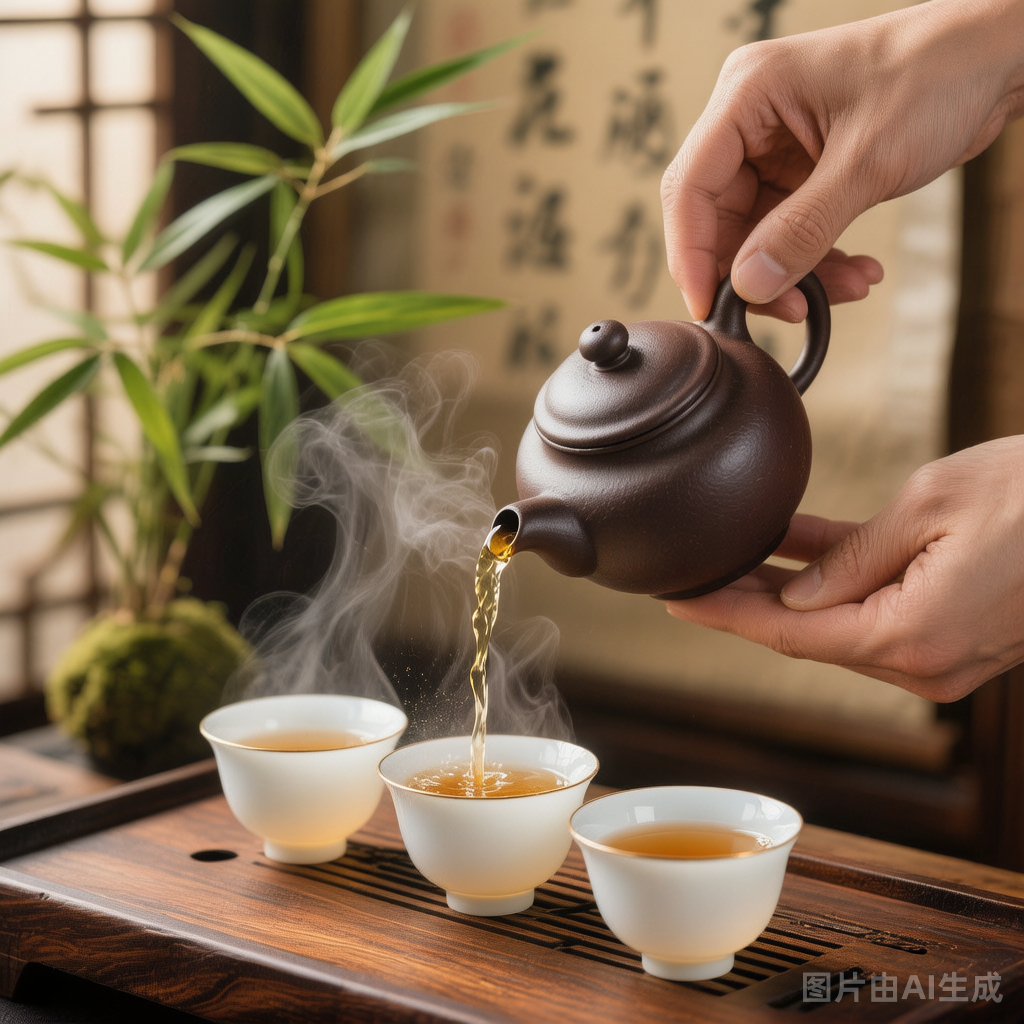
The most leisurely of the three. Traditional courtyard teahouses here still serve Gaiwan tea (盖碗茶) the old way — refilled all day for a single payment. Courtyard seating under bamboo eaves, the smell of jasmine tea and aged wood. This is where Chengdu's famous "leisure culture" is most visibly alive.
More intimate and residential in feel. Street food vendors, small artisan workshops, and the occasional glimpse of actual residents going about daily life. Traditional Sichuan snacks are made here in open kitchens — dan dan noodles, sweet water noodles, and Long Chaoshou dumplings.
The youngest-spirited of the three. Artists and craftspeople have studios along its walls, which are covered in hand-painted murals depicting old Chengdu street scenes. The ancient well at its centre is still functional. Night performances of Sichuan opera often take place here.
The Gaiwan (三才碗 — "three talents bowl") is Chengdu's iconic tea vessel: lid, bowl, and saucer representing heaven, earth, and man. A traditional teahouse master will explain the etiquette, the tea varieties, and why Chengdu teahouses are also social and political institutions in Sichuan history.
HANDS-ONBianlian (变脸) is Sichuan opera's most famous tradition: performers change masks in a fraction of a second, with no visible mechanism. Watching it at close range in a courtyard setting is entirely different from a stage performance — you can look directly into the performer's eyes as the face transforms.
PERFORMANCEInner China guests walk Narrow Alley with a guide who explains the cultural context of each dish: why dan dan noodles were originally street vendors' food (the pole carrier's "dandan" delivery), what a "bang bang chicken" really is, and why Chengdu food culture is inseparable from Sichuan Buddhism.
CULINARYThe courtyard houses (四合院) of Kuanzhai Alley represent the domestic architecture of a specific social class — Manchu banner soldiers stationed in Chengdu during the Qing Dynasty. Your guide explains how the architecture reflects hierarchy, hospitality and the Confucian family structure.
HISTORYKuanzhai Alley is woven into every Inner China programme as the Chengdu cultural anchor — best experienced in the morning before crowds, with an evening return optional.
Qingyang District, central Chengdu. A 15-minute drive or 30-minute walk from Tianfu Square (city centre).
Free to enter the alleys. Teahouse, opera and activity fees apply — included in Inner China programmes.
Weekday mornings (8–10 AM) for quiet. Evenings (7–10 PM) for atmosphere and performances. Avoid weekend afternoons.
Kuanzhai Alley is excellent year-round. In light rain, the wet lanes and lantern reflections create an especially atmospheric scene.
The alley is illuminated with traditional lanterns after dark. Many teahouses and performance courtyards operate until 10 PM.
This is not a rushing destination. Slow down. Sit. Let the environment arrive. That is precisely the cultural lesson of Kuanzhai Alley.
Kuanzhai Alley is the urban cultural centrepiece of every Inner China programme. Pair it with the mountain and temple experiences for the full contrast of Sichuan life — stillness on the mountain, vitality in the city.
Enquire Now Confucianism Programme →